∴ work — 01 · Traze — self-initiated
A website that is its own case study
262k
5
100%
The challenge
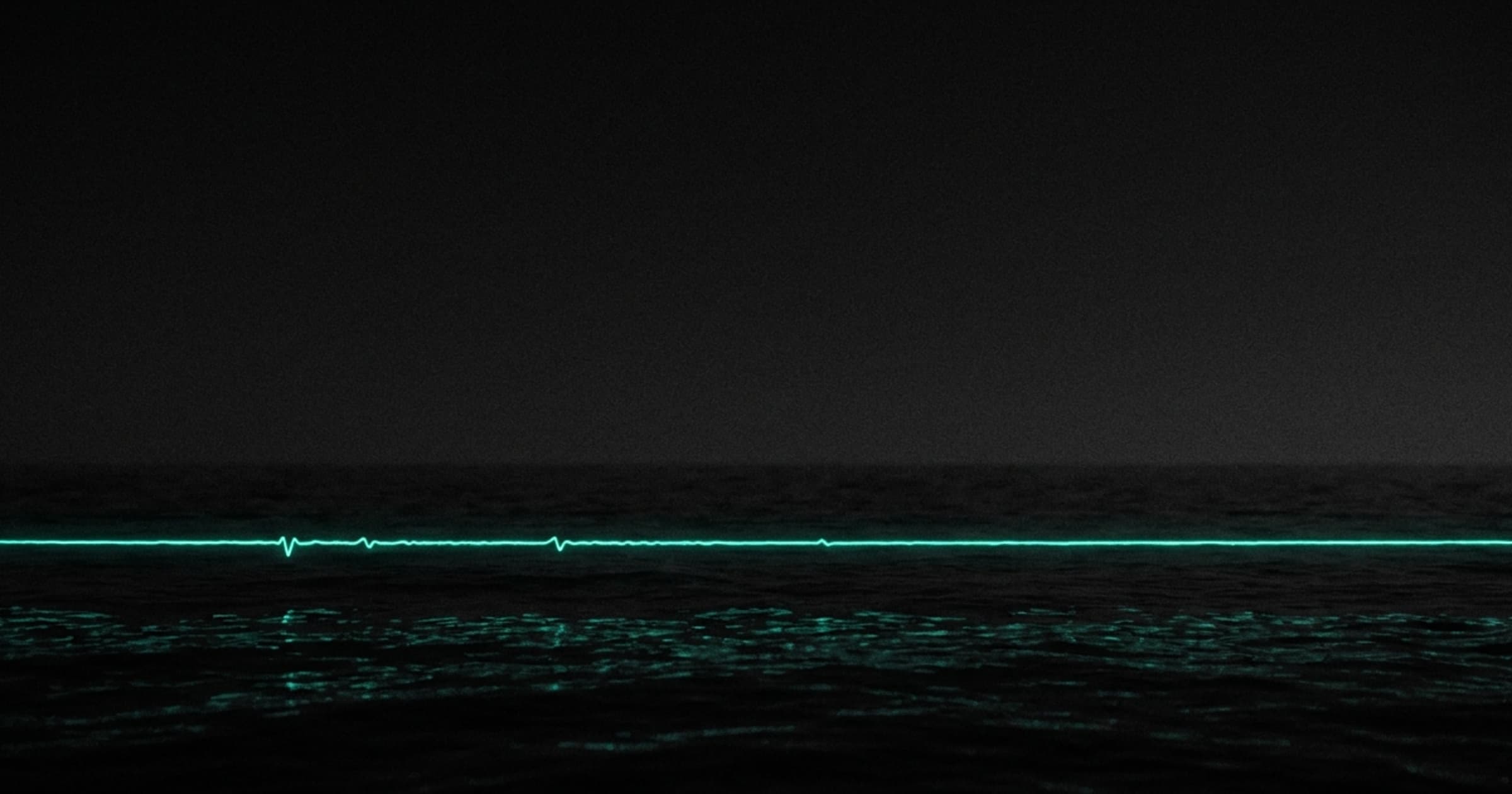
A new AI studio has no client logos to borrow. The honest alternative: make the website itself the first piece of evidence — an experience at the standard we intend to build to, with the AI we sell doing visible work in it.
The approach
One WebGL canvas mounted at the root and never unmounted; every page steers the same quarter-million-particle field into a different formation. The scene imagery is generated with cinematic AI models under a single art direction, then sampled into particle targets in the browser. All content is server-rendered HTML — the spectacle is an enhancement layer, so reduced-motion visitors and search engines get everything.
Noise into signal, literally
The brand mechanism is the product mechanism: particles drift as noise, then converge into scenes the way a generative model resolves an image from static. Every formation on every page restates the one-line pitch without a word of copy.
The engineering under the wow
Stateless GPU morphing (no simulation state to corrupt), one shared animation loop driving scroll and render, device-tier particle budgets, and a designed fallback chain: full experience, lighter field, static poster. The loader is a brand moment; the 404 is a joke that lands.
Built by our own agents
The scoping assistant embedded in this site is one of our production agents. The media pipeline — generate, grade, compress, sample — ran through the same tooling we deploy for clients.
Stack
Next.js
React Three Fiber
GSAP + Lenis
Higgsfield (media)
Vercel AI SDK